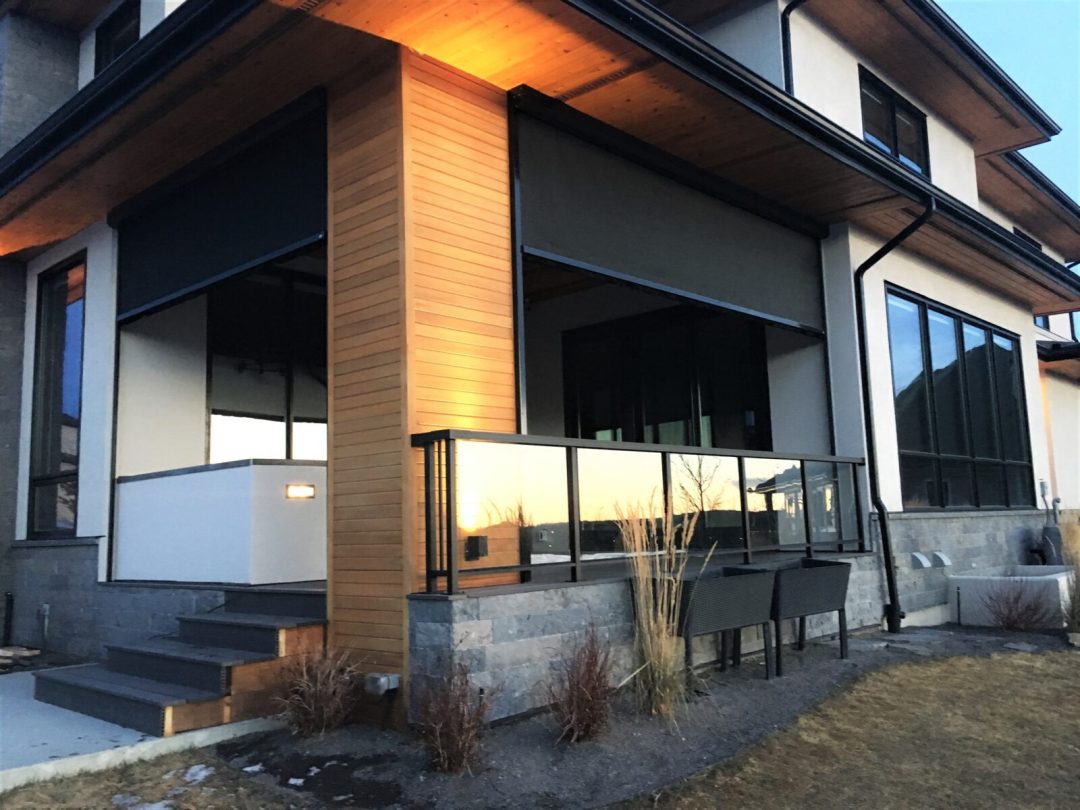

A new sunroom can develop condensation when humid air meets cold surfaces. Before buying, ask how the proposed room will manage moisture and ventilation under your intended use—not simply whether its glass is described as insulated.
For homeowners in Calgary, Cochrane and nearby communities, that conversation belongs alongside the choice of layout and finishes. As you compare sunroom options, look for clear operating expectations rather than a promise that the glass will never fog.
Why condensation belongs in the buying conversation
Condensation is not determined by glass alone. The National Sunroom Association’s Sunrooms and Condensation datasheet identifies humidity, temperature differences and insufficient ventilation as contributing factors. Moisture in the air can become liquid water on a sufficiently cold surface.
That makes “Will it have condensation?” only the starting question. A more useful follow-up is: “Under the conditions we have discussed, where might condensation occur, and what would we need to do about it?”
The answer should distinguish occasional surface fogging from recurring moisture that leaves surrounding materials wet. It should also acknowledge limits: the association’s July 2021 datasheet expressly excludes ice formation in extreme cold. It is not a guarantee of performance through an Alberta winter.
First, establish whether the room will be heated or unheated
Ask the builder to describe the proposed room in plain language. Is it an unheated seasonal enclosure, or is the project being designed as an insulated, heated addition? A glass enclosure must not be treated as equivalent to a heated four-season living space.
Describe your expectations just as plainly. “We want to sit outside the house on suitable autumn afternoons” is different from “We need a home office at indoor living-room temperatures every January morning.” Have that distinction recorded before approving the proposal.
Identify the exact enclosure, not just the season label
If you are considering glass wall systems, ask which specific system and configuration are proposed. Request the manufacturer’s current information for the glazing, frames, openings and intended operating conditions.
Then ask how those components fit the whole room’s moisture-management approach. A description such as “insulated glass” does not, by itself, answer how the enclosure will exchange air or how it should be used in cold weather.
Also explain how you expect to use the door between the house and sunroom. Ask whether leaving it open is consistent with the proposed design. Do not assume the house should serve as the enclosure’s heating or ventilation solution.
Ask how fresh air enters and moisture leaves
Health Canada’s ventilation guidance explains that ventilation removes moisture and that occupant activities, airtightness and seasonal conditions affect ventilation needs. This is residential guidance, not a design specification for an unheated sunroom, but it supports an important buying question: how will air exchange actually happen?
Air circulation and air exchange are different. A fan moving room air around is not the same as replacing that air with outdoor air. If the answer is simply “use a fan,” ask the designer to explain the intended moisture-removal route.
- Which openings or ventilation provisions are included in the proposal?
- What must the homeowner operate, and under what conditions?
- What is the recommended approach when outdoor conditions make opening panels impractical?
- Will furniture or window coverings interfere with access or operation?
Request instructions for the actual system rather than adopting a universal humidity percentage from an online checklist. The room’s intended temperature, construction and use need to be part of that advice.

Discuss intended uses, furnishings and moisture sources
Bring a short description of what will happen in the room—not just a photograph of the look you want. Health Canada’s ventilation guidance notes that people and household activities contribute moisture, so everyday use matters to the discussion.
Tell the designer if your plans include a collection of plants, frequent gatherings or a place to leave wet coats and boots. These details help the designer assess your expectations; they are not reasons to assume the room is unsuitable.
Discuss furnishings separately. Will cushions, a rug or stored belongings remain in the enclosure during colder months? Ask whether those choices suit the expected conditions, and check the furnishing manufacturers’ care requirements. Leave the proposed openings, tracks and inspection areas accessible in your layout.
What recurring dampness should prompt you to report
Do not assume every wet patch is condensation. Health Canada’s guide to addressing moisture and mould indoors identifies cold-surface condensation, inadequate ventilation and water infiltration as potential moisture sources. Persistent dampness needs its cause identified and addressed.
Before buying, ask whom you should contact if water repeatedly collects, finishes remain damp, staining develops or a musty smell appears. “Some fogging can happen” is not a complete response to recurring wet materials.
If a concern develops after installation, useful observations include where the water appears, when it occurs, whether it follows precipitation and how the room was being used. Photographs and notes can help the installer investigate without asking you to diagnose the cause or alter the enclosure yourself.
Five condensation questions before approving a proposal
Use this table to check that the discussion has produced specific answers.
| Question to ask | What the answer should clarify |
|---|---|
| What operating conditions is this room intended for? | Heated or unheated use, seasonal limitations and how your expectations fit. |
| How will fresh air enter and moisture leave? | Included ventilation provisions and the homeowner’s operating responsibilities. |
| Which glazing and frame system are specified? | The exact configuration and relevant current manufacturer information. |
| What moisture-related care instructions will we receive? | System-specific operation, cleaning, inspection and maintenance guidance. |
| Whom do we contact about persistent moisture? | A clear reporting route and what information to provide. |
Plan around how you want to use the room
A useful proposal should connect your cooler-weather plans with the enclosure’s capabilities and your responsibilities. You should not have to infer those details from a product photograph.
Tell Blueflower how you want to use your Calgary or Cochrane sunroom in cooler weather. Request a consultation to discuss the proposed enclosure, ventilation and realistic operating expectations before choosing your room.